Reviewed by the Beaverton First UMC editorial team ·
Methodist worship has always aimed at the heart — through hymns you can feel, preaching in plain words, and a table open to all. Here’s what shapes it, and how we live it out in Beaverton.
Worship sits at the center of the Wesleyan tradition. John Wesley cared less about a single fixed style than about a single goal: that worship engage the whole person — mind and affections together — and draw the worshipper into the love of God. That conviction still shapes how Methodists sing, preach, and gather at the Lord’s table.
Hymns that teach the heart
The most recognizable feature of Wesleyan worship is its singing. Wesley believed hymns were a powerful way to carry truth into the heart, and he left famous instructions for it: “Above all sing spiritually. Have an eye to God in every word you sing… see that your heart is not carried away with the sound, but offered to God continually.”1 His brother Charles supplied the songs — thousands of them, including “And Can It Be” and “Hark! the Herald Angels Sing” — teaching Wesleyan theology in verse that congregations still sing worldwide.4
Worship at Beaverton First
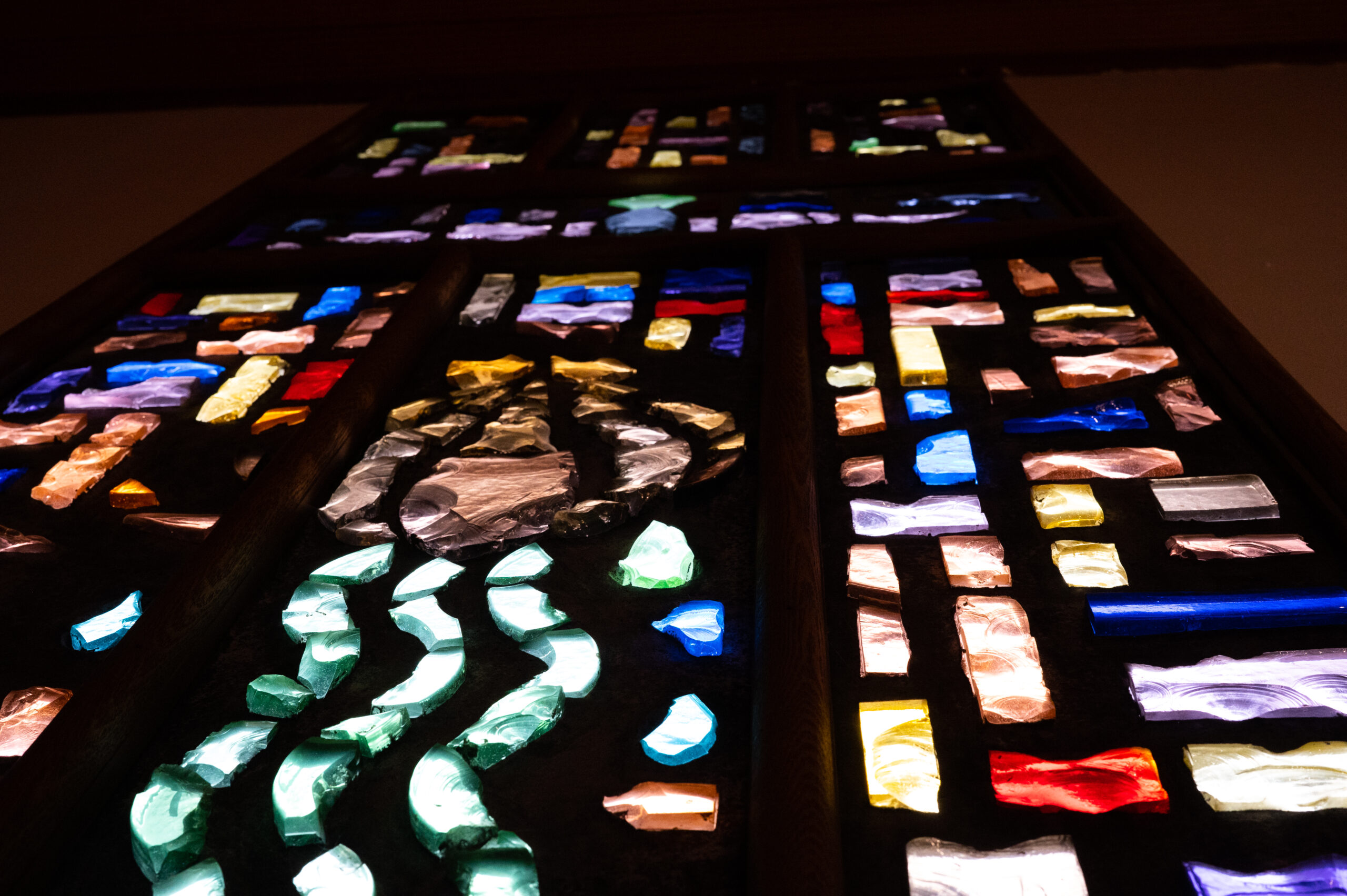
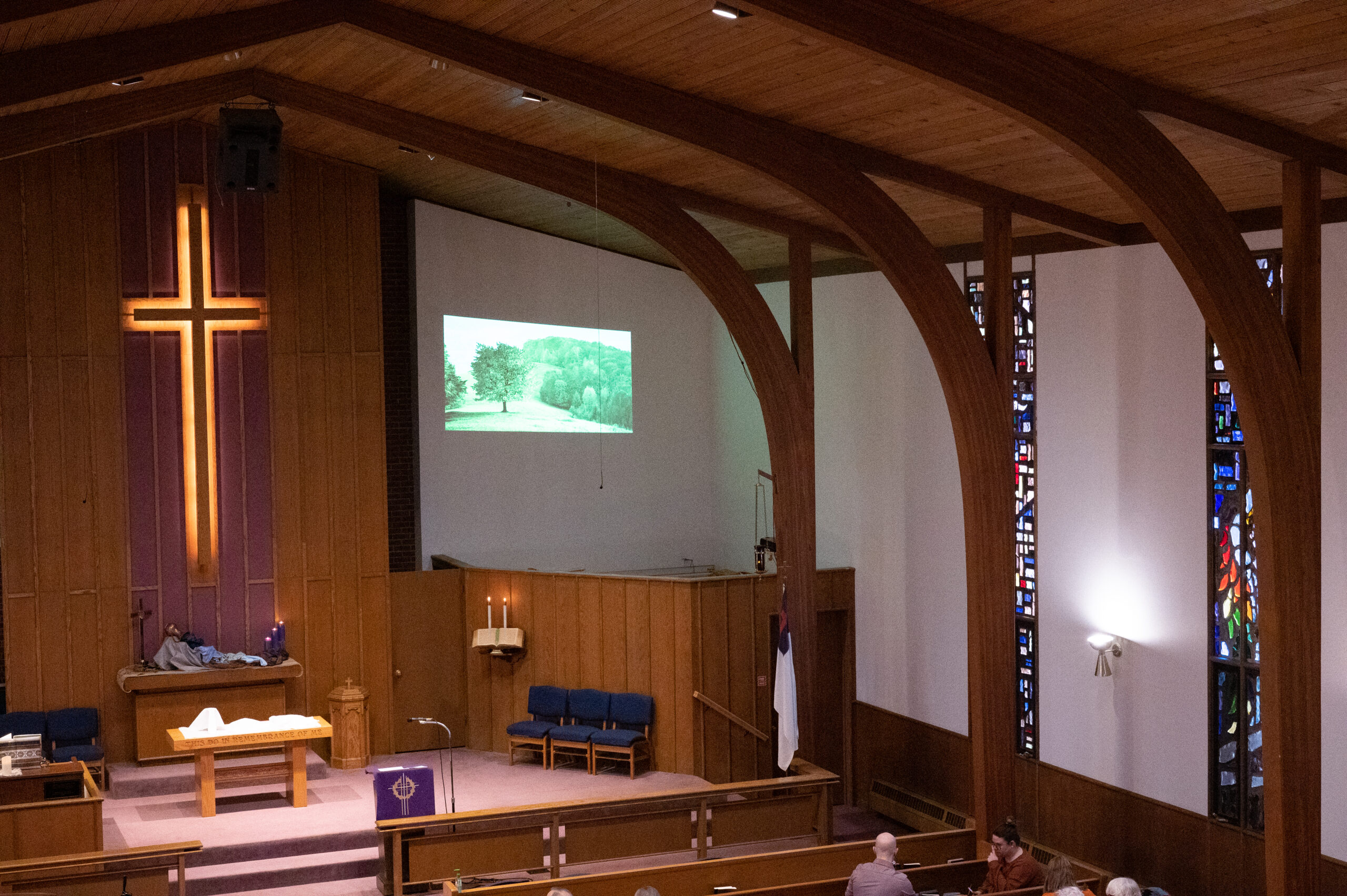
At Beaverton First, worship takes many forms. A typical Sunday weaves together traditional hymns sung by our choir, hymns reimagined by our praise team, contemporary songs that echo the day’s message, and a special music or postlude moment where musicians in the congregation share their own gifts. We practice that range on purpose: to honor the many generations, backgrounds, and styles in our community, so that everyone has a way in. We believe worship comes in many forms, and each is pleasing to God when it’s offered honestly.
Preaching as a means of grace
Wesley counted preaching among the “means of grace” — ordinary channels through which God works.2 Methodist preaching aims to be plain and useful. Wesley said so himself: “I design plain truth for plain people… I labour to avoid all words which are not easy to be understood.”3 The point of a sermon isn’t performance; it’s to help ordinary people live the faith on Monday.
“I design plain truth for plain people.”
An open table
Holy Communion is central to Wesleyan worship. Wesley urged “constant communion,” calling the bread and cup Christ’s “dying words to all his followers” and “the food of our souls.”2 Methodists practice an open table — you do not have to be a member to receive. At Beaverton First we celebrate Communion monthly, everyone is invited, and we use unfermented grape juice rather than wine, a Methodist custom rooted in care for all who come.
For Wesley, worship was finally about union with God: “In this alone can you find the happiness you seek… in the knowledge and love of Him who is the fountain of happiness.”5 That’s still what we’re after on a Sunday morning.
Questions people ask
What is a Methodist worship service actually like?
Warm, about an hour, with music, Scripture, a plain-spoken message, and often Communion. Here is exactly what to expect.
Do I have to be a member to receive Communion?
No — the table is open to everyone seeking God, member or not. It is part of a genuinely welcoming, affirming church.
When does Beaverton First worship?
Sundays at 11:00 a.m. in downtown Beaverton, in person and online — plan your visit.
Sources
- John Wesley, “Directions for Singing” (1761), in Select Hymns (United Methodist Church). umc.org
- John Wesley, Sermon 101, The Duty of Constant Communion (UMC Discipleship Ministries). umcdiscipleship.org
- John Wesley, Preface to Sermons on Several Occasions (Wikisource). wikisource.org
- “The Hymns of Charles Wesley,” The United Methodist Church (UMC.org). umc.org
- John Wesley, Sermon 77, Spiritual Worship (ResourceUMC). resourceumc.org